What to know about Camden Council garden waste rules
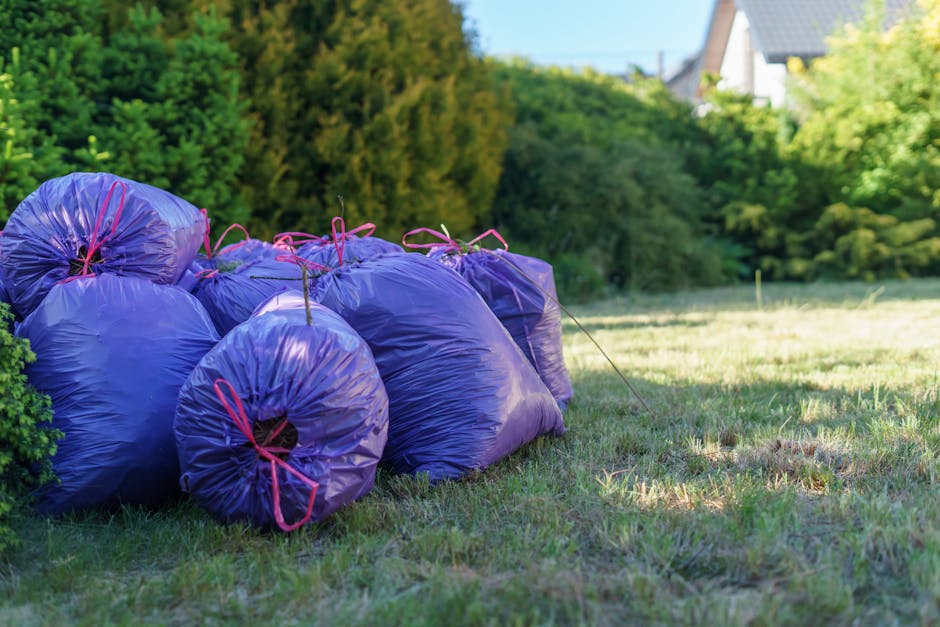
If you live in Camden, garden waste can be simple on a good week and oddly confusing on a messy one. One pile of hedge cuttings, a few grass clippings, and suddenly you are wondering what the council will take, what needs separating, and whether that bag of soil is going to cause a problem. This guide on What to know about Camden Council garden waste rules breaks it all down in plain English, so you can handle yard waste without guesswork.
Truth be told, most issues come from small misunderstandings rather than anyone doing anything wildly wrong. A few leaves mixed with branches. A bin filled with the wrong material. A garden clear-out left until the last minute. Let's make it easier.
Why Camden garden waste rules matter
Garden waste rules matter because they decide what can be collected, how it should be presented, and whether your waste is likely to be taken the first time. In a borough like Camden, where many homes have compact gardens, shared access, or limited storage space, small mistakes can quickly become annoying. A missed collection means overfilled bins, a smelly corner by the side return, or a stack of cuttings waiting longer than you planned.
There is also a bigger picture. Garden waste, when sorted properly, can usually be recycled or composted more effectively than mixed rubbish. That is good for the environment, but it also helps keep local collection systems working smoothly. If your waste is contaminated with plastic bags, soil, or general household rubbish, it becomes harder to process. Nobody wants that, and frankly, nobody wants to drag the same bag out twice either.
If you are managing regular garden upkeep, it helps to think of the rules as part of a broader maintenance routine. Services like garden maintenance, hedge trimming, and lawn mowing often generate the exact materials that need the most care when it comes to disposal. A tidy garden is easier to manage than a pile-up of clippings by the fence on a damp Thursday morning.
Expert summary: Camden garden waste rules are mostly about sorting, presentation, and consistency. If you keep your green waste clean, dry where possible, and separate from non-organic material, you are already most of the way there.
How Camden garden waste collection works
Garden waste collection generally centres on organic material from routine outdoor maintenance. That usually means the sort of waste you create after trimming, mowing, weeding, or clearing a border. The exact arrangements can vary, so the safest approach is to treat the council's instructions as the final word and check the detail before you put anything out.
In practical terms, the process is usually straightforward:
- Separate green garden waste from general rubbish.
- Keep out materials that are not accepted, such as soil, rubble, or plastics.
- Place waste in the approved container or format.
- Set it out on the right collection day.
- Do not overload the container or force in unsuitable material.
That sounds simple, and most weeks it is. The tricky part is that a garden clean-up can create mixed waste very quickly. A hedge cut creates branches, leaves, and maybe old ties. A border clear-out brings weeds, roots, bits of compost, and perhaps broken pot fragments. If you are doing more than a routine tidy, a specialist garden clearance service can be useful because it reduces the chance of sorting errors and helps you stay on the right side of the collection rules.
Another thing people often overlook: wet green waste weighs more and is more awkward to handle. If you have ever lifted a bag after a rainy spell, you will know exactly what I mean. It is one of those small jobs that gets heavier by the minute.
Key benefits and practical advantages
Following Camden's garden waste guidance is not just about avoiding a rejected bin. There are a few real-world advantages too.
- Cleaner collection days: You spend less time reshuffling bags, lids, and loose cuttings at the kerb.
- Lower contamination risk: Proper sorting helps ensure waste can be processed as intended.
- Less clutter at home: If you know what goes where, garden waste does not linger for days in the shed or side passage.
- Better planning: You can schedule maintenance jobs around collection dates instead of reacting to a backlog.
- Fewer surprises: Understanding the rules helps you avoid the classic "why was this left behind?" moment.
There is also a financial angle for anyone comparing disposal options. If your garden produces a modest amount of waste, council collection may be the easiest route. If you are dealing with a full clearance, heavy cuttings, or a one-off landscaping job, it may be more efficient to bundle waste handling into a broader service such as landscaping or landscape gardening. That can save time, and sometimes a lot of faffing about.
Who this is for and when it makes sense
This topic is relevant to anyone in Camden who maintains an outdoor space, but the details matter most for a few groups.
Homeowners with small or medium gardens
If you do light maintenance each week, garden waste rules help you keep on top of clippings, leaves, and weeds without clutter building up. Small gardens can generate surprising amounts of waste after a single trim. A few bags here and there add up fast.
Landlords and managing agents
Rental properties often need tidy, predictable turnaround. If tenants leave borders overgrown or hedges unmanaged, knowing the council rules helps you decide whether to arrange collection, use a private clearance, or schedule ongoing maintenance.
Busy households with limited storage
Not everyone has room to leave green waste waiting for the next collection. If your side access is narrow or the bins are already doing overtime, a planned approach matters. This is where routine maintenance becomes genuinely helpful rather than just a nice idea.
People handling one-off garden jobs
Maybe you have just cut back an old hedge, cleared a neglected border, or removed some overgrown shrubs. In that case, the amount of waste can jump from manageable to slightly ridiculous in one afternoon. It happens. A service like tree lopping and removal may also create heavier woody material that needs special handling, not just a standard bin put-out.
Anyone trying to work cleanly and sustainably
If you care about recycling and lower-impact disposal, garden waste rules help you separate recyclable green material from general refuse. That makes the whole job more efficient and usually less wasteful. You can read more about this kind of practical approach through recycling and sustainability.
Step-by-step guidance
Here is the simplest way to stay organised without overthinking it.
- Identify the waste type. Green waste is usually grass, leaves, hedge clippings, weeds, and similar organic material. If it came from routine gardening and it is plant-based, it is probably in the right category.
- Remove anything that does not belong. Plastic ties, flowerpots, compost bags, stones, broken tools, and household rubbish should not be mixed in just because they were nearby. Easy to do, easy to miss.
- Separate heavy or awkward material. Thick branches, roots, and large woody sections may need a different approach from soft clippings. When in doubt, treat them carefully and check before setting them out.
- Prepare the container or collection point properly. Use the approved bin or storage method and do not exceed what is sensible. Overstuffed waste tends to spill, and spilled waste tends to annoy everyone.
- Put it out on time. Set out your waste according to the collection timetable so it is visible and accessible.
- Review what was accepted. If the collection was left behind or tagged, work out why. That small bit of detective work saves time next week.
A practical habit I like is to keep a small separate container for "not garden waste" during a tidy-up. It stops plastic, wire, and random garden debris from sneaking into the wrong pile. Nothing fancy. Just a plain bucket or tub. Surprisingly effective.
Expert tips for better results
If you want fewer headaches and cleaner results, a few simple habits go a long way.
- Cut and clear in stages: Large hedges and overgrown beds are easier to handle if you work in sections instead of creating one giant pile.
- Let wet waste drain where possible: Damp clippings can get heavy fast. A short drying period can make handling easier, though obviously do not leave them to blow around the garden.
- Use a tarp or sheet: When clearing borders, a tarp saves time and keeps waste from spreading across paving.
- Bundle woody material neatly: If permitted, tied bundles are often tidier than loose sticks rolling into the path.
- Plan around weather: A windy or rainy day can turn a quick job into a mildly chaotic one. UK gardening, eh?
- Combine tasks sensibly: If you are already doing hedge work, lawn care, and bed clearing in one visit, think about disposal before you start, not after you are elbow-deep in cuttings.
For ongoing upkeep, many homeowners find it easier to pair collection planning with regular seasonal work. Services such as garden maintenance can keep waste volumes more predictable, which is usually the difference between a calm Saturday and a slightly frazzled one.
Common mistakes to avoid
Most issues with garden waste rules come from a short list of avoidable mistakes.
- Mixing in soil or rubble: Soil is heavy and often treated differently from green waste. Stones and rubble are even more likely to cause rejection.
- Using the wrong bags: Black bin bags stuffed with garden waste are not always acceptable. The format matters, not just the contents.
- Including food waste or general rubbish: It may seem harmless if it is "just one little thing," but contamination can cause the whole load to be refused.
- Ignoring size or weight limits: A container that is visibly overloaded is a problem, even if it technically closes.
- Leaving waste out too early: This can create mess, block access, or attract attention from pests. Not ideal.
- Assuming all branches are treated the same: Thick woody waste often behaves differently from grass and leaves.
There is a particular kind of frustration that comes from putting everything out neatly and still having it left behind because of one wrong item. You do not forget that in a hurry. The good news is that once you know the rules, it is much easier to avoid repeating the same mistake.
Tools, resources and recommendations
You do not need a large kit to manage garden waste properly, but a few basic tools can make the job cleaner and faster.
- Garden bags or heavy-duty tubs: Handy for separating waste as you go.
- Rake and broom: Useful for gathering loose clippings before they spread across paths.
- Tarp or groundsheet: Good for loading and moving waste without scuffing paving.
- Sharp shears or loppers: These help you cut material into manageable sections before disposal.
- Gloves: Simple, practical, and worth it when you are handling thorny or damp material.
- Wheelbarrow or garden cart: Ideal if you have to move waste through a narrow side passage or across a shared area.
If your waste is part of a larger garden project, it can help to think in terms of service scope, not just disposal. For example, a border refresh may sit alongside lawn mowing, while a structural garden refresh might be better planned with landscaping in mind. That gives you a cleaner end result and fewer repeat trips with bags.
For households that want to understand the wider service picture, services overview is a useful starting point. And if you are comparing value, the page on pricing and quotes can help you plan the job more sensibly before the piles get any larger.
Law, compliance, standards and best practice
For garden waste, the main point is simple: follow Camden Council's current instructions exactly, because local collection rules can differ from borough to borough and can change over time. It is best practice to assume that the council's guidance on accepted materials, presentation, and collection timing takes priority over general habits picked up elsewhere.
In practical terms, compliance means:
- keeping green waste separate from general rubbish;
- excluding prohibited items such as plastics, rubble, and non-organic material;
- using the correct container or collection method;
- placing waste out only when permitted;
- avoiding overfilling or unsafe stacking;
- handling heavy or sharp material responsibly.
If a job involves cutting down larger woody material, remember that tree and shrub waste may not behave like ordinary lawn waste. A tidy hedge trim and a substantial branch reduction are not the same thing, even if they both end up in the garden. That is why services such as hedge trimming and tree lopping and removal can be useful when the work goes beyond a weekly tidy.
Best practice takeaway: if you are unsure whether an item belongs in garden waste, do not guess. Separate it and check the current rule. That one habit avoids most problems.
Options, methods and comparison table
Different kinds of garden waste need different handling. The right choice depends on volume, material type, access, and how quickly you want the space cleared.
| Method | Best for | Pros | Watch-outs |
|---|---|---|---|
| Council garden waste collection | Routine clippings, leaves, weeds, and small regular loads | Convenient, familiar, generally straightforward for small volumes | Must follow the exact Camden rules and collection schedule |
| DIY bagging and storage | Small tidies and staged garden work | Cheap, flexible, easy to do in stages | Waste can build up if collections are missed or delayed |
| Professional garden clearance | Overgrown gardens, one-off clear-outs, mixed garden debris | Fast, less stress, better for larger jobs | May not be necessary for very small amounts of waste |
| Regular maintenance service | Ongoing upkeep, seasonal cutting, predictable waste output | Keeps waste manageable and gardens tidier overall | Works best when booked consistently, not only when things get messy |
For many people, the decision is less about "which is cheapest" and more about "which is least likely to become a nuisance." If you only have a small amount of clippings, council collection may be enough. If you have a full clear-out after months of growth, a dedicated garden clearance may be the calmer choice.
Case study or real-world example
Imagine a typical Camden terrace with a small rear garden: a lawn, two shrubs, a narrow border, and a hedge that grows just a bit faster than expected in early summer. After a Saturday morning tidy-up, you have grass clippings, a handful of weeds, some hedge trimmings, and a couple of old plant ties. Nothing dramatic. But by the time you have swept the patio and stacked the waste, the pile is bigger than it first looked.
At that point, the useful thing is not brute force. It is sorting. The clippings go together. The ties are removed. The woody trim is kept separate from the softer material. The result is neater, easier to present, and far less likely to be rejected. If the garden had been more heavily overgrown, the owner might have decided to bring in a team for landscape gardening or a larger tidy-up to avoid handling it all themselves.
One client-style lesson that comes up again and again is this: when people plan the disposal first, the actual garden work feels lighter. You notice fewer "where is this going?" pauses and more steady progress. It is a small thing, but it changes the whole day.
Practical checklist
Use this quick checklist before you put out garden waste in Camden:
- Have you separated green waste from household rubbish?
- Have you removed plastic, wire, pots, and non-organic debris?
- Have you kept soil, rubble, and heavy material out of the load if they are not accepted?
- Is the waste in the correct container or collection format?
- Is the container not overloaded?
- Are branches, stems, or woody pieces cut down to a manageable size?
- Have you checked the collection day and time?
- Is the waste easy to access for collection?
- Have you reviewed any special instructions for your street or property type?
- Do you need help with a larger or one-off garden job?
If you are ticking several of those boxes and still feeling unsure, that is usually the sign to slow down and check the details before setting anything out. No shame in that. Better a ten-minute pause than a missed collection.
Conclusion
Understanding Camden Council garden waste rules is mostly about keeping things clean, separate, and practical. Once you know what counts as green waste, what should stay out of the bin, and how to present it properly, the whole process becomes much easier. A bit of planning now saves time later, and usually a lot of frustration too.
If your garden is part of a wider upkeep routine, it can help to combine waste planning with regular maintenance rather than treating disposal as a separate headache. That way, the garden stays manageable, the collections go more smoothly, and you are not left staring at a heap of branches wondering where the afternoon went.
Get a free quote today and see how much you can save.
And if you are still on the fence, start small, keep the waste clean, and build a routine that works for your space. Honestly, that steady approach is usually the nicest one in the long run.
Frequently Asked Questions
What counts as garden waste in Camden?
Garden waste usually includes grass cuttings, hedge trimmings, leaves, weeds, and other organic material from routine garden work. If it is plant-based and came from normal outdoor maintenance, it is often the right type of waste. Mixed rubbish, soil, rubble, and plastics usually are not treated the same way.
Can I put soil in my Camden garden waste bin?
Soil is often handled differently from green garden waste because it is heavier and can affect processing. It is best not to assume it will be accepted. Check the current Camden guidance before including any soil, compost, or turf-heavy material.
Are hedge cuttings accepted as garden waste?
Usually yes, provided they are presented in the correct way and do not contain non-organic contamination. Very large branches or dense woody material may need separate handling, depending on the council instructions and the size of the load.
What should I do with weeds and leaves?
Weeds and leaves are usually part of garden waste, as long as they are free from general rubbish and other contaminants. If they are damp or mixed with plastic ties, litter, or soil clumps, separate them first. It only takes a minute and saves hassle later.
Can I mix kitchen waste with garden waste?
No, not as a rule. Kitchen waste and garden waste are typically treated separately. Mixing them can create contamination and may lead to the collection being refused.
What happens if my garden waste is contaminated?
If a load contains the wrong material, it may be left uncollected or rejected. The exact outcome depends on the collection service and the type of contamination. The safest move is to remove anything questionable before putting the waste out.
How do I handle a large garden clearance in Camden?
For larger clearances, the main challenge is volume rather than just the type of waste. It may be easier to split the work into sections or use a professional garden clearance service. That is especially helpful if the garden has been neglected for a while or contains bulky cuttings.
Do I need special tools for garden waste disposal?
You do not need much, but a tarp, gloves, bags, and a rake make the job easier. For bigger jobs, loppers or a wheelbarrow can save time and reduce mess. A small amount of planning goes a long way, oddly enough.
Is regular garden maintenance worth it for reducing waste problems?
Yes, because regular maintenance keeps waste smaller and more predictable. That makes it easier to separate, bag, and present properly. It also helps avoid the big clear-up jobs that tend to create the most confusion.
Can professional gardeners help with waste sorting?
Yes, many people use professional services to keep the garden tidy and manage waste more efficiently. If you need ongoing help, garden maintenance can support a cleaner routine, while more substantial jobs may be better suited to tree lopping and removal or broader landscaping support.
How do I know if I am following the latest Camden rules?
The simplest approach is to check the current council instructions before collection day, especially if you are handling something unusual like woody branches, soil, or mixed waste. Rules can change, and it is better to check than assume. That little pause saves a lot of backtracking.
What is the easiest way to avoid a missed collection?
Keep waste clean, use the correct container, do not overfill it, and set it out on time. Most missed collections come from presentation issues rather than the waste itself. A quick final check the night before is often enough.