Hedge Trimming in Euston
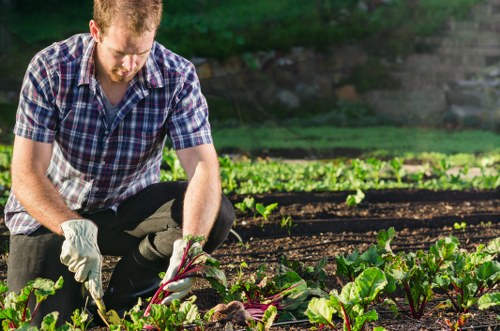
Hedge Trimming Euston provides neat, controlled hedge cutting in Euston, with work planned around the shape, height and condition of each hedge. The service is aimed at keeping boundaries tidy, maintaining clear lines and helping plants stay manageable through the growing season. From light cosmetic trimming to more substantial reduction of overlong growth, the focus is on a clean finish that suits the hedge rather than forcing it into a one-size-fits-all cut.
We handle routine hedge maintenance for front gardens, rear gardens, shared boundaries and access routes, along with more involved work where hedges have become difficult to reach or uneven in form. Good hedge trimming is not just about appearance: it also helps preserve structure, reduce congestion and keep growth under control. If you want to discuss the work and request a quotation, you can start with a simple enquiry.
Our approach is practical and orderly, with attention to cut direction, hedge species and the best time to avoid unnecessary stress on the plant. Where appropriate, trimming can be combined with related garden tasks such as clearance or maintenance, but the main priority remains the hedge itself. If you are comparing options, our services overview gives a clear starting point for the wider range of work we offer.
Routine hedge maintenance and seasonal shaping
Regular hedge maintenance keeps growth in check before it becomes heavy, woody or difficult to manage. That usually means removing the soft outer flush, evening up the top line and bringing the sides back into a balanced profile. A well-timed trim can make a hedge look sharper while still leaving enough healthy growth to support recovery. For many domestic gardens, this is the simplest way to keep boundaries looking tidy throughout the year.
Different hedges need different handling. Formal hedges often benefit from a crisp, repeated cut that preserves straight lines and an even face, while informal hedges may suit a gentler reduction that keeps a softer outline. We also take account of buds, nesting season concerns where relevant, and how much of the hedge should remain after cutting. If you want to read more about this specific service, see the dedicated hedge trimming page.
What a maintenance cut usually includes
In a typical maintenance visit, the work may include tidying the front, rear and top surfaces of the hedge, removing straggly shoots, levelling uneven sections and clearing the cut material away afterwards. Where hedges have grown outward, a reduction in width can restore usable space without stripping the plant back too far. In some cases, a measured approach is better than a severe cut, especially if the hedge has not been maintained regularly.
Hedges that have outgrown their space
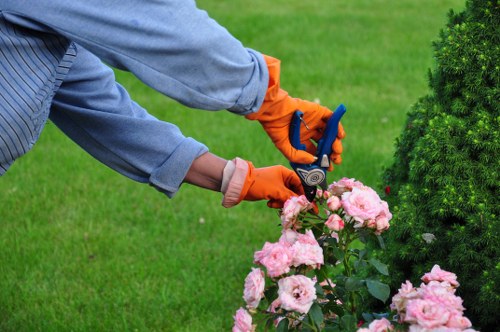
Some hedges need more than a quick tidy. When a hedge has risen above a practical height, spread into paths or blocked light, the work usually involves reducing bulk in stages and bringing the outline back under control. The aim is to restore a cleaner, safer and more usable boundary while respecting the plant's condition. A careful reduction is often preferable to removing too much at once, particularly with mature planting.
Overgrown hedges can also hide gaps, old stems and uneven growth patterns. In those situations, it helps to trim selectively rather than merely cutting every surface back by the same amount. That way the hedge can keep a consistent appearance while avoiding bare patches that are slow to recover. Where a hedge is closely linked to a wider garden project, garden maintenance may be a useful companion service for keeping the rest of the plot in order.
For hedges bordering drives, steps or narrow side returns, trimming may need to be planned so access remains safe while work is taking place. Cutting can also improve visibility and make the boundary easier to use day to day. If you are weighing up what is needed, it is often helpful to think in terms of the final shape you want, not just the amount of foliage to remove. A brief note or photograph can make the quotation process easier.
Shaping for form, privacy and presentation
Many customers want a hedge that does more than mark a boundary. It may need to screen a garden from neighbouring windows, soften a fence line or provide a smart frontage that suits the property. In those cases, shaping becomes as important as cutting. The work should keep the hedge dense where privacy matters, while ensuring the top and sides are balanced enough to avoid a lopsided finish.
Different hedge forms call for different results. A tight formal line may benefit from straight edges and a squared top, while a softer garden hedge can be shaped with subtle curves or a slightly tapered profile. Tapering is often useful because it helps light reach the lower growth, which can support a healthier, fuller base over time. If the hedge is part of a larger outdoor scheme, our landscape gardening service can sit alongside trimming where the whole space needs a more considered layout.
Presentation matters most when hedges sit near entrances, front paths or shared views, and the finish should look deliberate rather than hurried. That means paying attention to corners, joins and transitions where one section meets another. We also avoid overcomplicating the job: a hedge should look natural to its type, not carved into an unsuitable shape. If you are ready to move forward, you can ask for a quotation once you have a clear sense of the finish you want.
Preparing for hedge cutting
A little preparation can make a hedge trimming visit smoother and help the finished result look better. Clearing ornaments, pots or temporary items away from the hedge gives better access and reduces the chance of obstruction. It can also help to identify any areas that should be left alone, such as sections with young growth, mixed planting or nearby climbers. These details are useful even when the hedge looks straightforward from a distance.
It is also sensible to think about how the cut material will be handled. Some customers prefer everything removed, while others may want the waste left neatly for their own disposal. If there are gates, shared passages or tight side accesses, the practical route to the hedge is worth mentioning at the outset. For broader outdoor tidying that sits alongside trimming, garden clearance can be relevant where there is a build-up of cuttings or other garden waste.
Two useful details for a quotation are the approximate hedge length and the height that needs cutting back. A short description of access, desired finish and whether waste removal is needed usually gives enough context to price the work sensibly. If you prefer to keep things simple, a rough measurement and a clear photograph are often enough to begin. Please get in touch when you are ready and we can take it from there.
Related outdoor work that can support the hedge

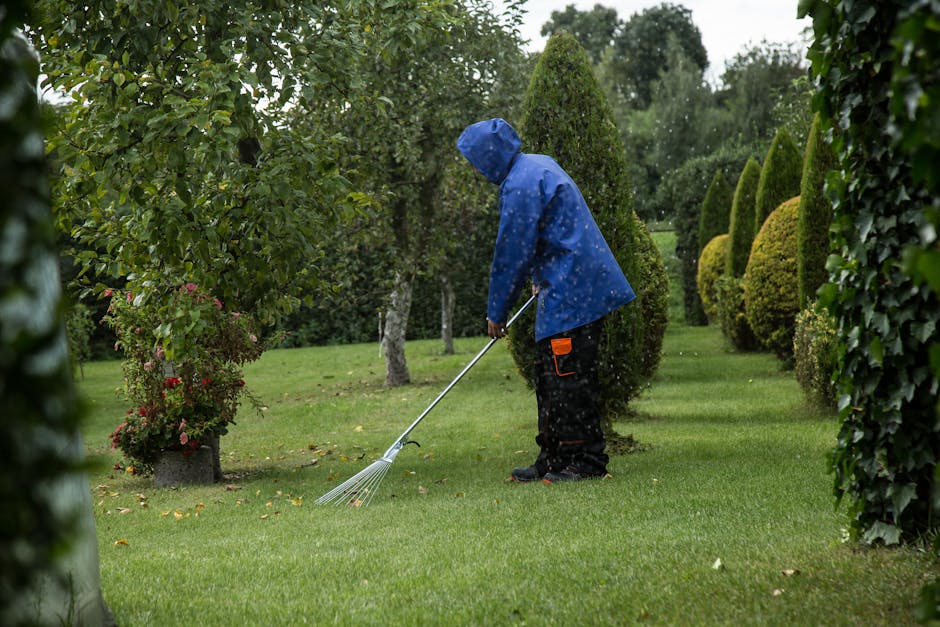
Although hedge trimming is the main service, many gardens benefit from a wider tidy-up at the same time. Depending on the layout, that may include mowing surrounding lawns, tidying edges, or dealing with areas where growth has become tangled around the hedge line. When one part of the garden is under control, the hedge can be finished more neatly because its outline is easier to see and work around.
If a hedge sits within a more substantial outdoor refresh, it can be sensible to coordinate the work with other improvements. For example, garden edges, paths and planting beds often look better when the hedge is cut back first and the rest of the space is then assessed against that cleaner line. Where this broader approach is needed, the landscaping page may be useful for understanding how different outdoor tasks can be combined.
There are also practical limits to what hedge trimming alone can do. A hedge that has been neglected for a long period may need a staged approach, not a single drastic reduction. Likewise, a hedge that is damaged, very sparse or affected by dieback may need careful handling to avoid making the problem worse. In those situations, the work is guided by the plant's condition rather than by appearance alone, and it is better to choose a conservative finish than a heavy-handed one.
Where hedge trimming sits within wider garden upkeep
Hedge cutting is often most effective when it forms part of a regular upkeep plan. In a garden that is visited only occasionally, the hedge can quickly become the feature that makes the whole space look untidy, even when the rest is fairly well kept. That is why many customers prefer a seasonal trim that stops growth getting out of control in the first place. The goal is steady maintenance rather than a cycle of letting the hedge run away and then correcting it later.
For some properties, hedge trimming works best alongside lawn care so the key visible areas are all in good order at the same time. A trimmed hedge above a clean lawn and defined edge gives a much more balanced impression than any one of those elements on its own. If this is the sort of combination you need, you may want to look at our lawn mowing service as part of the wider garden plan.
Practical hedge care is usually about consistency, not drama. Keeping on top of the hedge a little at a time can protect its shape and reduce the need for major corrective work later. That said, each hedge has its own growth habit, so the right interval and cut style can vary. We focus on the result that suits the hedge you actually have, rather than trying to force every boundary into the same pattern.
About Euston
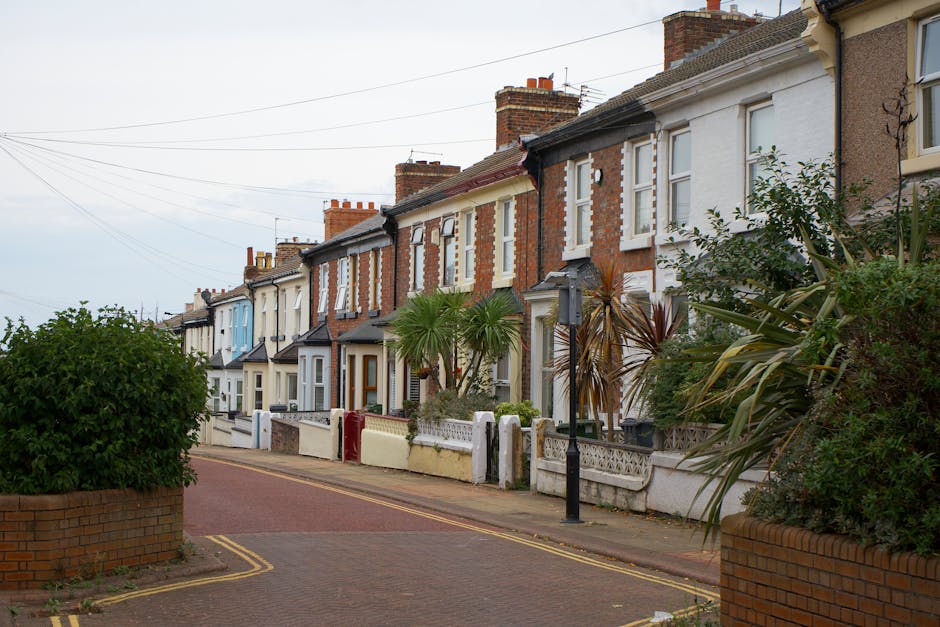
Euston is a central London district best known for its transport links, open spaces and dense mix of civic, academic and commercial buildings. The name is closely associated with Euston Station, which opened in 1837 as the first intercity railway station in London and has long shaped the area’s identity. Nearby, the wider neighbourhood includes parts of Camden and sits within easy reach of Bloomsbury, King’s Cross and Regent’s Park. The place combines major infrastructure with residential streets, office buildings, education sites and historic institutions, so the urban grain changes quickly from one block to the next. Much of Euston’s character comes from this overlap of movement and permanence: rail travel, hospitals, universities, museums and long-established terraces all sit within a relatively compact part of the city. The area is also connected to broader London history through the evolution of the railway network, redevelopment proposals and the changing role of the station as a national gateway. Alongside the busy roads are quieter squares, side streets and smaller green pockets that provide contrast to the traffic and trackside edges. The British Library, though often associated with nearby St Pancras, lies close enough to shape the cultural feel of the district, while Regent’s Park remains one of the most recognisable open spaces within walking distance. Euston is therefore a place where large-scale transport, institutional architecture and everyday city living meet, giving it a distinctly layered urban character.
Pricing factors and quotation details
Hedge trimming prices are usually shaped by practical details rather than by a single fixed formula. Height, thickness, access, waste removal and how much correction is needed all influence the amount of work involved. A straight, regularly maintained hedge is typically simpler to trim than one that has become wide, tall or uneven, because the latter may need slower cutting and more careful finishing. The condition of the hedge matters too, especially where old growth or sparse sections need a gentler touch.
It helps if the quotation request explains what the hedge looks like now and what you want it to look like afterwards. If there are different sections, such as one boundary hedge and one smaller decorative hedge, it is worth mentioning both so they can be considered properly. You do not need to overstate the job; clear basics are often enough. If you want a broader view of pricing structure across services, pricing and quotes is the right page to visit.
When comparing options, it is sensible to look beyond the lowest figure and consider whether the quotation reflects the actual size and complexity of the hedge. A careful cut that respects the planting can save work later and produce a better finish than an overly hurried job. If the hedge is part of a wider garden project, a combined quotation may be more practical than arranging each task separately.
Finishing touches and waste handling

The final stage of hedge trimming is just as important as the cut itself. Tidying loose clippings, checking the outline from different angles and clearing access points all help the hedge look properly finished. A hedge can be well cut but still appear untidy if the debris is left in place or if one side has not been checked carefully. That is why the close-down of the job matters, especially on visible front boundaries.
Waste handling can vary depending on the hedge and the site. Some trimmings are light and easy to gather, while others are dense, thorny or bulky, particularly after a reduction cut. Where disposal is needed, it should be planned so that the area is left in a sensible condition. For larger garden tidying tasks, the recycling and sustainability page explains how related waste considerations are handled more generally.
If you would like to move ahead, send a brief description of the hedge and ask for a quotation. A short note is enough to begin, and you can add a photograph if it helps show the height, width or access. We aim to keep the process straightforward: explain what the hedge needs, and we will help you decide the most suitable approach.
Further useful information for hedge trimming jobs
Different hedges can respond differently to pruning, which is why the same method is not always right for every garden. Evergreen hedges often need measured trimming to preserve density, while deciduous hedges may tolerate a slightly more open cut depending on the season and species. The better the match between the trimming style and the plant, the more natural the result tends to look. A hedge should remain a healthy boundary, not just a clipped line.
Where hedges have become part of a mixed boundary with trees or heavier planting, trimming may need to stop at a sensible point rather than continuing indiscriminately. In those settings, related tree work can occasionally be relevant, particularly if branches are affecting the hedge line or access around it. If that is part of the picture, you may find the tree lopping and removal page useful for understanding adjacent services.
For customers who want a single, tidy point of contact, it can be helpful to prepare a short list of what you want done: trim height, reduce width, neaten sides, clear clippings and tidy the finish. That gives a simple brief without unnecessary detail. If your hedge is straightforward, keep it straightforward; if it has awkward corners, mature stems or limited access, mention those points so the quote reflects the real work involved.
Request a quotation for hedge trimming in Euston
Whether your hedge needs a light seasonal tidy or a more considered reduction, the right quotation starts with the basics: the hedge type, approximate size, access and the finish you want. A clear request helps the work be assessed properly and avoids guesswork. If the hedge is part of an ongoing maintenance plan, it can also be useful to say how often you would like it trimmed so the scope is understood from the outset. You can read more about the business and its approach on the about us page.
For practical details on how we manage arrangements and the way work is handled, the contact us page is the best next step. If you are comparing services or planning more than one outdoor task, it can also help to revisit the main service pages so you can choose the right combination. A short enquiry is all that is needed to begin, and we can then discuss the hedge, the finish and the quotation in a clear, simple way.
Use the information you already have, keep it brief and request your quotation today.