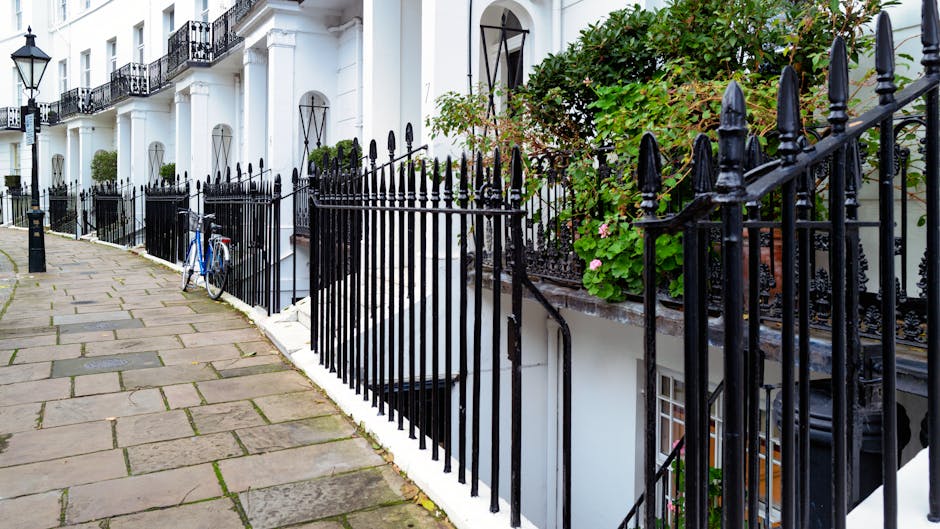
Garden maintenance for Melton Street terraces in Euston
Terrace gardens in Euston can look charming, but they also ask for a bit of regular attention. Space is tight, boundaries are close, and one windy week can turn a neat little outdoor area into a slightly scruffy patch before you've even had your second cup of tea. Garden maintenance for Melton Street terraces in Euston is really about keeping those compact spaces tidy, healthy, and usable without making life harder than it needs to be.
This guide walks through what good terrace garden care looks like, how it works in practice, and what to do if your space needs more than a quick tidy. Whether you're a homeowner, a landlord, or someone managing a small rear garden behind a period terrace, you'll find practical guidance here. And yes, we'll keep it real: small London gardens have their own personality. Sometimes they're lovely. Sometimes they're a bit of a mess. Often both.
For broader service context, you can also explore our garden maintenance and services overview pages, which are useful if you want to see how regular care fits alongside other outdoor work.
Table of Contents
- Why Garden maintenance for Melton Street terraces in Euston Matters
- How Garden maintenance for Melton Street terraces in Euston Works
- Key Benefits and Practical Advantages
- Who This Is For and When It Makes Sense
- Step-by-Step Guidance
- Expert Tips for Better Results
- Common Mistakes to Avoid
- Tools, Resources and Recommendations
- Law, Compliance, Standards, or Best Practice
- Options, Methods, or Comparison Table
- Case Study or Real-World Example
- Practical Checklist
- Conclusion
- Frequently Asked Questions
Why Garden maintenance for Melton Street terraces in Euston Matters
Terraced properties in central London tend to have outdoor spaces that work hard. They're not sprawling suburban gardens with room to breathe. They're smaller, more enclosed, and often exposed to very specific pressures: shade from neighbouring buildings, limited airflow, patchy sunlight, drain blockages, and plants that grow faster than you expected because they've finally found a decent pocket of soil.
That's why regular maintenance matters. A terrace garden isn't just decoration. It affects how the property feels, how usable the outside space is, and how much work you'll face later if you let things slip. A quick monthly tidy can prevent a seasonal overhaul. That sounds obvious, but people often only notice the difference once the nettles have won.
In Euston, there's also the practical side of living close to neighbours. Overhanging branches, weeds spreading into shared edges, and cluttered access routes can create friction. A well-kept garden tends to reduce those little annoyances before they become bigger conversations. Nobody wants a dispute about a hedge that "just needed another fortnight", do they?
There's a visual benefit too. A neat front or rear terrace garden can make the whole property feel cared for, which is especially important if you're renting out, preparing to sell, or simply want to enjoy the space without apologising for it every time someone steps outside.
How Garden maintenance for Melton Street terraces in Euston Works
Good garden maintenance is less about a dramatic one-off makeover and more about regular, sensible attention. In practice, it usually means combining routine tasks with seasonal work and a watchful eye for small problems before they spread.
For a Melton Street terrace, the process usually starts with a simple assessment: what's growing, what's overgrown, what's blocked, and what needs immediate attention. From there, the work is split into manageable jobs. A garden may need hedge trimming, lawn mowing, bed weeding, pruning, leaf clearance, plant health checks, or general tidy-up work. Sometimes it also includes minor soft landscaping, re-edging borders, or removing waste that's built up over time.
Many terrace gardens benefit from a recurring schedule rather than ad hoc intervention. That might mean fortnightly visits in spring and summer, then a lighter rhythm in autumn and winter. To be fair, every garden is a bit different. A shady yard with containers will need different care from a narrow lawn edged by mature shrubs.
If you want to understand the service mix behind this kind of work, it can help to compare related options like hedge trimming, lawn mowing, garden clearance, and landscape gardening. They often overlap, but they're not the same job.
A small note from experience: the best-maintained terrace gardens rarely look "overdone". They look calm. Balanced. Like someone cares, but isn't trying to impress the shrubs into submission.
Key Benefits and Practical Advantages
Regular maintenance does more than keep things tidy. It creates a garden that actually works for everyday life, which is the bit many people miss when they focus only on appearance.
- Better kerb appeal and property presentation: A neat terrace garden supports the overall look of the home. Even a modest space feels more inviting when it is cared for properly.
- Healthier plants: Pruning at the right time, removing dead growth, and keeping weeds down helps shrubs and plants put energy where it should go.
- Less expensive catch-up work later: Letting a small garden slide can lead to bigger clearance jobs, damaged planting, or more waste to remove. Small and steady is usually cheaper in the long run.
- Improved usability: A tidy terrace is more likely to be used. That sounds simple, but it matters. If you can step outside without fighting through debris, you'll use the space more often.
- Lower nuisance issues: Managing overgrowth, moss, and litter can help reduce damp-looking corners, blocked access, and the sort of mess that makes a place feel neglected.
- Better neighbour relations: In close-built areas like Euston, keeping shared edges under control is just decent practice.
Another practical benefit is consistency. A garden that gets checked regularly tends to reveal problems early: poor drainage, tired soil, pest damage, or a hedge that's outgrowing its space. Catching those things early is far easier than arriving to a jungle and pretending it "wasn't that bad".
Who This Is For and When It Makes Sense
Garden maintenance for Melton Street terraces in Euston suits a wide range of property owners and residents, but it is especially helpful if your garden has limited space, layered planting, or regular foot traffic.
It makes sense if you are:
- A homeowner who wants the garden to stay pleasant without spending half the weekend on it.
- A landlord keeping a terrace property presentable between tenancies or during longer lets.
- A tenant responsible for maintaining the outdoor space under your agreement.
- A busy household where nobody has time to handle pruning, tidying, and seasonal clearance properly.
- A property manager or letting agent who needs a reliable standard of upkeep.
It also makes sense when the garden has become a little awkward to manage. Maybe the hedge is too high for a safe trim. Maybe the rear access is narrow, so waste removal is fiddly. Maybe you've got planters, steps, and a bit of lawn all fighting for attention. That's normal in terrace settings. Not ideal, but normal.
If you're wondering whether to book a one-off visit or arrange recurring care, ask yourself one simple question: do you want a rescue job, or do you want the space to stay under control? Both are valid. They just solve different problems.
Step-by-Step Guidance
A sensible maintenance routine for a terrace garden should be straightforward enough to repeat. Here's a practical approach that works well in compact London gardens.
1. Assess the whole space first
Start by looking at the garden as a whole rather than tackling the most visible bit first. Check paths, edges, borders, planters, climbing plants, hedges, lawn areas, sheds, drains, and any spots where leaves tend to gather. A five-minute look around often saves an hour of backtracking.
2. Remove surface clutter and obvious waste
Pick up fallen branches, leaves, plant pots that have tipped over, and anything blocking access. This gives you a clearer view of what actually needs doing. In compact spaces, clutter makes everything look worse than it is.
3. Cut back overgrowth carefully
Trim hedges, shrubs, and climbers where they're spilling into paths or shading out other plants. The trick is not to hack away at everything. Careful shaping helps the garden breathe while keeping its character. A terrace garden usually benefits from light, regular trimming rather than dramatic cuts.
4. Weed and edge the borders
Weeds can take hold quickly in London garden beds, especially where soil is shallow or compacted. Clear them while they're small. Then neaten the edges. It sounds minor, but edging gives the whole garden a sharper, cleaner look.
5. Mow or refresh lawn areas if present
If the terrace includes lawn, keep the cut consistent and avoid scalping it. If the grass is patchy or shaded, the goal may be maintenance rather than perfection. Truth be told, not every London lawn wants to be a golf green.
6. Check plant health and support
Look for yellowing leaves, pests, broken stems, leaning supports, or overcrowding. Sometimes plants need pruning. Sometimes they need moving. Sometimes they just need a bit of breathing room.
7. Deal with waste responsibly
Bag up green waste, separate recyclable materials where appropriate, and make sure nothing is left in a corner to rot. Removing waste properly is part of the job, not an optional extra.
8. Finish with a quick review
Walk through the garden again. Does it feel balanced? Can you move through it easily? Do any edges still look rough? A final check catches the bits you always miss when you're too close to the work.
If you need a broader tidy as part of this process, pairing routine care with occasional garden clearance can be the cleanest way to reset a space without overcomplicating it.
Expert Tips for Better Results
Small terrace gardens reward restraint. A lot of people think the answer is "more effort", but often it's actually better timing and better judgement.
- Trim little and often: Hedges and shrubs in terrace gardens generally behave better when pruned regularly. Waiting too long usually means more stress for the plant and more work for you.
- Watch the light: Euston gardens often face shade from neighbouring buildings. Choose plants and maintenance routines that suit the conditions rather than fighting them.
- Keep access simple: If maintenance work is awkward to reach, it tends to get postponed. Clear routes and sensible storage make a bigger difference than people expect.
- Use containers to manage problem spots: If one corner is always damp or bare, pots and raised planters can be a useful workaround. We talk about this sort of approach in our post on using tall potted plants for seclusion.
- Don't overfeed tired plants: More fertiliser is not always the answer. Sometimes the issue is poor pruning, bad drainage, or plain old overcrowding.
- Plan seasonal jobs ahead of time: Leaf fall, spring growth, and summer watering all arrive whether you're ready or not. Annoying, but there it is.
One useful habit is to keep a rough note of what the garden needed each season. Nothing fancy. Just a few lines. It makes next year's work much easier and helps you spot patterns, like a border that dries out every July or a hedge that goes wild after a mild spring.
Common Mistakes to Avoid
Most terrace garden problems come from delay, overreaction, or trying to do too much at once. That's the honest truth.
- Leaving pruning too late: A hedge left untouched for months often becomes harder to shape neatly later. You can still recover it, but it takes more care.
- Cutting everything back at once: Aggressive pruning can shock plants and leave the garden looking stripped. A little patience usually gives a better result.
- Ignoring drainage issues: If a terrace garden stays soggy after rain, clearing leaves alone won't fix it. The drainage pattern needs checking.
- Using the wrong plants for shade: A plant that looked lovely in a sunnier setting may struggle in a narrow, enclosed Euston garden.
- Letting waste pile up: Green waste left in a heap becomes an eyesore and can attract pests or moisture problems.
- Assuming every garden needs the same routine: Some terraces are planted for structure, others for colour, others for privacy. Maintenance should match the purpose.
A lot of people also forget the invisible work. Soil condition, root crowding, and seasonal moisture changes all affect how the garden looks after a trim. If the garden keeps looking tired, the answer may be underneath the surface rather than in the leaves you can see.
Tools, Resources and Recommendations
You do not need a shed full of specialist equipment to keep a terrace garden in good shape. In many cases, the basics are enough, provided they're used properly.
| Task | Useful tools | Why it helps |
|---|---|---|
| Hedge and shrub shaping | Secateurs, hedge trimmer, loppers | Gives cleaner cuts and better control in tight spaces |
| Lawn upkeep | Lawn mower, edging shears, rake | Keeps small lawn areas neat without tearing the grass |
| Border care | Hand fork, trowel, gloves | Makes weeding and replanting easier around compact beds |
| Leaf and debris clearance | Rake, garden bags, broom | Prevents build-up on paths, drains, and corners |
| Waste handling | Heavy-duty bags, buckets, barrow | Helps move green waste out without making a second mess |
For larger or more involved jobs, it can help to look beyond tools and think in terms of service type. A simple tidy might only need regular maintenance. A neglected rear garden may need clearance first, then ongoing care. For some properties, combining maintenance with landscaping or decking services makes more sense if the space needs a more usable layout.
There's also the practical side of budgeting and planning. If you're comparing support options, the pricing and quotes page is a sensible place to understand how different kinds of work may be approached, especially if you're deciding between routine upkeep and a bigger reset.
And if you want to know more about the team philosophy behind the work, the about us page gives a bit more background on how the service is presented and what kind of approach to expect.
Law, Compliance, Standards, or Best Practice
For garden maintenance in London, the main thing is not to overstate the legal side. Most terrace garden care is straightforward, but there are still sensible standards to follow.
In practical terms, you should take care not to create hazards on shared paths, access routes, or boundary edges. Waste should be handled responsibly, and any work involving ladders, sharp tools, or tree-height cutting should be approached with proper care. If a task feels beyond routine maintenance, it usually is. That is not me being dramatic. It is just common sense.
If you're responsible for a rental property, keeping the outdoor space in a reasonably safe, usable condition is part of good property management practice. The exact responsibilities depend on the tenancy and the agreement in place, so it's wise to check the paperwork rather than guessing. Quietly assuming is where hassle tends to begin.
For contractors and property owners alike, working to clear safety procedures matters. If you want to see how a professional outfit frames that side of the work, the health and safety policy and insurance and safety pages provide useful reassurance. Waste handling and greener disposal choices can also matter, which is why some readers look at recycling and sustainability alongside the practical side of garden care.
If a job involves overgrown trees, unstable branches, or anything beyond ordinary trimming, it is sensible to treat it as specialist work rather than a quick tidy. That keeps both the property and the people doing the work in better shape.
Options, Methods, or Comparison Table
There is more than one way to maintain a terrace garden, and the right choice depends on how much time, skill, and consistency you have available. Here's a straightforward comparison.
| Approach | Best for | Pros | Trade-offs |
|---|---|---|---|
| DIY seasonal tidy | Very small gardens, low planting, confident owners | Low direct cost, flexible timing | Easy to delay, equipment needed, results may be uneven |
| Regular light maintenance | Most terrace gardens in Euston | Stays tidy, manageable workload, prevents overgrowth | Needs consistency and scheduling |
| One-off clearance then upkeep | Neglected or recently inherited gardens | Fast reset, easier future maintenance | Can be more disruptive at the start |
| Combined maintenance and landscaping | Spaces needing redesign or better use of space | Improves function and appearance | More planning and usually a bigger project |
For many Melton Street terraces, the second option is the sweet spot. Regular light maintenance usually keeps things presentable without the cost and stress of major intervention. If the garden has been left for a while, though, a clearance-first approach often makes more sense. No point polishing the door if the hallway is full of old plant pots.
Case Study or Real-World Example
Picture a narrow rear terrace garden behind a period property near Melton Street. It has a slim strip of lawn, a hedge running along one side, a few containers near the wall, and a couple of borders that have been quietly swallowed by weeds. Nothing dramatic, just neglected enough to feel like work.
The first visit focuses on clearance: fallen leaves removed, old stems cut back, weeds lifted, the hedge brought back to a sensible line, and the lawn edged so it no longer spills into the path. By the end of that session, the garden already feels larger. That's the funny thing with small spaces. A little order creates the illusion of much more room.
A follow-up routine then keeps it in shape. The hedge is checked before it gets leggy, the lawn is cut lightly rather than chopped short, and the borders are weeded before roots spread. The containers are refreshed with easier-care plants suited to the available light. Nothing flashy, just practical choices.
What changed? The garden became usable again. A morning coffee outside stopped feeling like a chore. The owner didn't need a full redesign; they needed rhythm. And that, in terrace gardens, is usually the real answer.
Practical Checklist
Use this checklist to keep your terrace garden on track through the year.
- Check the whole garden for clutter, debris, and safety issues.
- Trim hedges and shrubs before they start encroaching on paths or neighbours' space.
- Weed borders, edges, and paving joints regularly.
- Mow lawn areas lightly and consistently if you have grass.
- Clear leaves and waste before they build up in damp corners.
- Inspect plants for stress, pests, or overcrowding.
- Review drainage after heavy rain.
- Keep tools clean and stored safely.
- Remove green waste promptly rather than leaving it to rot.
- Plan seasonal tasks before growth or leaf fall gets ahead of you.
Expert summary: In compact terrace gardens, the best results usually come from steady maintenance, careful pruning, and a realistic plan that matches the space. Small, regular action beats occasional heroics almost every time.
If you're weighing up whether to bring in help, it can also be useful to look at the wider range of services on offer. A quick comparison between routine care and more intensive work often makes the next step much clearer.
Get a free quote today and see how much you can save.
Conclusion
Garden maintenance for Melton Street terraces in Euston is really about keeping a compact outdoor space healthy, neat, and pleasant to use without letting it become a burden. The best approach is usually practical rather than dramatic: trim in good time, keep edges tidy, clear waste regularly, and pay attention to what the garden is telling you.
That might sound modest, but modest is often exactly what a small London terrace garden needs. With a steady routine and a few sensible choices, even a tight outdoor space can feel calm, cared for, and genuinely useful through the seasons.
If you want help planning the right level of upkeep, start with the space you have, not the space you wish you had. That's where good garden work begins. And, honestly, that's where the best little gardens usually stay lovely.
Frequently Asked Questions
What does garden maintenance for a terrace property usually include?
It usually includes hedge trimming, lawn mowing, weeding, pruning, leaf clearance, border tidying, and waste removal. Depending on the garden, it may also include light planting or soft landscaping.
How often should a Melton Street terrace garden be maintained?
For most compact London gardens, a light maintenance visit every two to four weeks in the growing season works well, with seasonal adjustments in autumn and winter. Very active gardens may need more frequent attention.
Is a one-off garden clearance enough?
Sometimes, yes. If the space is badly overgrown, a clearance can reset it. But if you want it to stay neat, a follow-up maintenance plan is usually the better long-term option.
What if my garden is mostly shaded?
Shady terrace gardens need planting choices and maintenance routines that suit lower light. Regular clearing, careful pruning, and the right container planting can make a big difference.
Do small terrace gardens need the same level of care as bigger gardens?
They often need just as much attention, but in a more focused way. Because the space is smaller, problems can become visible quickly, and a small amount of neglect can make the whole garden feel untidy.
Can regular maintenance improve property value or rental appeal?
A tidy, usable garden can improve the overall presentation of a property and make it more appealing to buyers or tenants. It will not transform the whole market value on its own, but it definitely helps create a better first impression.
What are the most common problems in terrace gardens in Euston?
The usual issues are shade, limited space, overgrowth, poor drainage, weeds, and clutter. Shared boundaries and close neighbours also mean tidy edges matter more than people sometimes expect.
Should I choose maintenance or landscaping?
If the garden already works but looks untidy, maintenance is probably the right place to start. If the layout is awkward or the space is hard to use, landscaping may be worth considering alongside maintenance.
What tools do I need for a small terrace garden?
Basic tools are usually enough: secateurs, gloves, a rake, edging shears, a mower if you have lawn, and bags or a barrow for waste. More complex work may need specialist equipment.
How do I keep maintenance costs sensible?
Keep the work regular, avoid letting things get too overgrown, and group jobs together where possible. A little routine care is usually more economical than repeated rescue work.
Is there any compliance I should worry about?
For ordinary garden care, the main concerns are safety, waste handling, and respecting boundaries or shared access. If the work is more complex, it's wise to use proper procedures and check any property obligations.
What should I do if the garden has become badly overgrown?
Start with a clearance, then move to maintenance. Trying to tidy everything in one rushed pass can be frustrating. A staged approach is usually safer, neater, and easier to live with.