Euston Office Gardeners: Commercial Garden Care for Businesses in Euston
If your workplace has any kind of outdoor space, you already know it can shape first impressions in a big way. A tidy courtyard, smart entrance beds, and healthy planting can make a business feel calm, capable, and well-run before anyone even steps inside. That is why Euston office gardeners commercial garden care for businesses matters so much: it keeps commercial landscapes presentable, safe, and working hard for your brand.
In Euston, where busy streets, foot traffic, transport links, and tight urban sites all create their own challenges, office garden care is rarely just about "making things look nice". It is about regular upkeep, sensible planning, and reliable work carried out around real business schedules. This guide breaks down what commercial garden care involves, who needs it, how it works, and what to look for when choosing the right support. Let's face it, no one wants a front entrance full of weeds and tired planting on a Monday morning.
For a broader view of the services that usually sit behind this kind of upkeep, you can also explore our services overview and garden maintenance page.
Table of Contents
- Why Euston office gardeners commercial garden care for businesses Matters
- How Euston office gardeners commercial garden care for businesses Works
- Key Benefits and Practical Advantages
- Who This Is For and When It Makes Sense
- Step-by-Step Guidance
- Expert Tips for Better Results
- Common Mistakes to Avoid
- Tools, Resources and Recommendations
- Law, Compliance, Standards, or Best Practice
- Options, Methods, or Comparison Table
- Case Study or Real-World Example
- Practical Checklist
- Conclusion
- Frequently Asked Questions
Why Euston office gardeners commercial garden care for businesses Matters
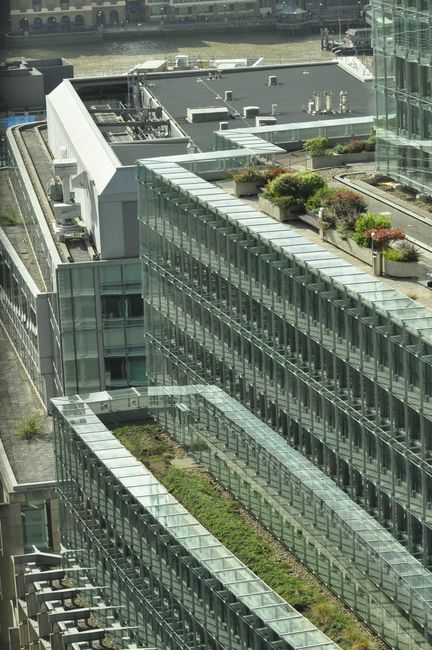
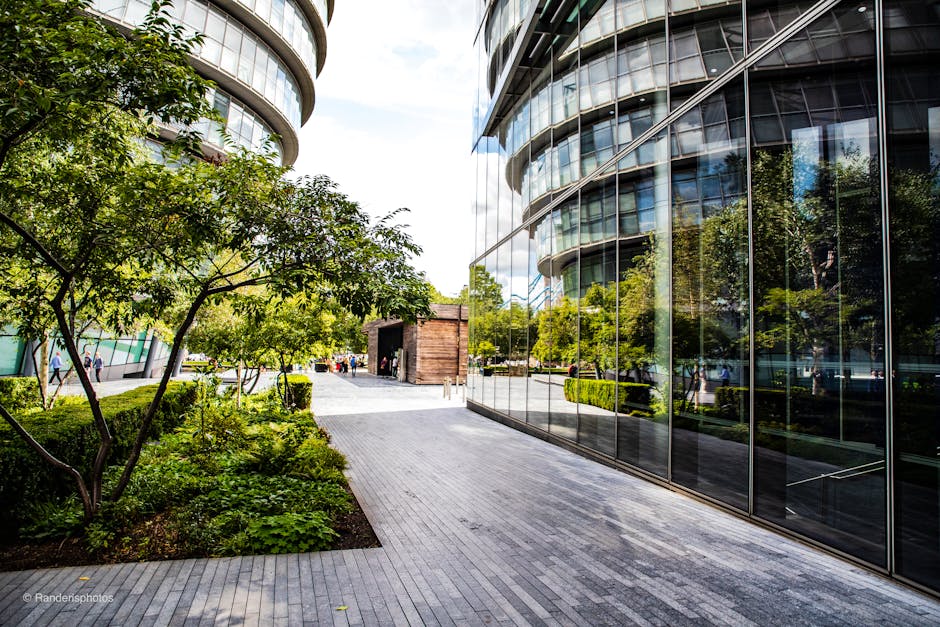
Commercial garden care does more than keep plants alive. It helps shape the experience people have with your business from the moment they approach the building. In Euston, that might mean a small entrance strip, a rooftop terrace, a shared courtyard, or a ground-floor planting area squeezed between pavements and access points. Each one needs a slightly different approach, and each one can become scruffy quickly if left alone.
For offices, the outdoor area often acts like a visual handshake. Neat hedging, trimmed borders, clean paving edges, and healthy seasonal planting quietly say: we pay attention, we are organised, we care about the details. That matters whether you welcome clients daily or only occasionally host visitors, because people do notice these things. Sometimes they notice more than you think.
There is also a practical side. Overgrown shrubs can block sightlines, wet leaves can make entrances messy, and neglected planting can attract litter. In a busy London area such as Euston, where a lot happens at street level, commercial garden maintenance needs to be consistent rather than reactive. A one-off tidy-up can help, sure, but it rarely replaces proper ongoing care.
Office environments also change during the year. Winter brings bare branches, moss, and debris. Spring arrives fast, with sudden growth and beds that need shaping. Summer can dry everything out if watering is inconsistent. Autumn brings leaf fall, which sounds charming until it lands all over your entrance mats and drains. Regular garden upkeep keeps those seasonal shifts manageable.
How Euston office gardeners commercial garden care for businesses Works
Good commercial garden care starts with an assessment. A gardener looks at the site, the planting types, the access arrangements, and any pressure points such as entrances, car parks, cycle storage, smoking areas, or roof spaces. From there, they build a maintenance plan that fits the site's needs and the business's schedule.
That plan usually covers recurring tasks. These may include lawn mowing, hedge trimming, weeding, pruning, deadheading, leaf clearance, edging, watering support, and waste removal. If the space is more neglected, the first visit may involve a deeper tidy through something like garden clearance before routine care begins. That is often the sensible way to reset a site without trying to polish over bigger problems.
In some cases, businesses also need small improvements rather than only maintenance. A plant replacement scheme, better layout, new border definition, or refreshed hard landscaping may be discussed alongside upkeep. If that is the case, related work may draw on landscape gardening or wider landscaping support.
One of the strengths of commercial work is consistency. The best arrangements are predictable. You know when the team will arrive, what they will do, and what the site should look like afterwards. That is especially useful for offices with staff arrivals, deliveries, or visitors early in the day. Nobody wants a mower roaring away during a client meeting if it can be scheduled for a calmer window.
Some sites also need specialist care for specific features. For example, a business with mature shrubs may benefit from regular hedge trimming, while sites with trees near access routes may need professional tree lopping and removal where appropriate. On larger or more active sites, routine lawn mowing is often part of the schedule too.
Key Benefits and Practical Advantages
There are obvious visual benefits, but the real value of commercial garden care goes deeper than appearance. For a business, outdoor space is part of the working environment, and good upkeep can support operations in several practical ways.
- Better first impressions: neat, well-kept grounds help clients, tenants, and staff feel confident in the business.
- Lower disruption: planned maintenance reduces last-minute emergency fixes and the stress that comes with them.
- Safer access: clear paths, controlled growth, and tidy edges can reduce common trip and obstruction risks.
- Healthier planting: regular care helps shrubs, trees, and beds stay in better condition across the seasons.
- Improved staff morale: people tend to use outdoor areas more when they feel looked after.
- Protection of assets: routine maintenance can help extend the life of planting, timber features, and landscaped areas.
There is also a quieter benefit: peace of mind. When a site is being watched properly, managers do not have to keep mentally adding "check the hedge" or "sort the weeds" to an already full list. That little mental load matters more than most people admit.
If your grounds include wooden features or seating areas, maintaining them alongside planting can make the whole site feel more cohesive. Services such as decking services can sit neatly alongside general garden upkeep where commercial outdoor areas need a more polished finish.
Who This Is For and When It Makes Sense
This kind of service suits a wide range of businesses. Not every company needs the same level of support, but most organisations with outdoor space benefit from a professional routine rather than an occasional tidy-up.
It is often a strong fit for:
- offices with front garden beds, planters, or reception-facing exteriors
- business centres and managed office buildings
- commercial landlords and property managers
- medical practices and professional services firms
- hospitality venues with outdoor planting
- schools, training centres, and community-facing premises
- businesses with rooftop, courtyard, or terrace planting
It makes sense when the outdoor area is visible to customers or staff, but it also makes sense when the space is simply becoming hard to manage in-house. Many office teams are brilliant at what they do, yet gardening is not their day job. Shoving it onto a receptionist or facilities coordinator usually works for about five minutes. Then reality kicks in.
There is a tipping point, too. If you find that the site looks okay only for a few days after someone has touched it, that is a sign you need structured maintenance rather than reactive attention. If the space includes mature hedging or difficult access, the case for professional support is even stronger.
Step-by-Step Guidance
If you are considering commercial garden care for an office in Euston, a clear process makes everything easier. Here is the practical route that tends to work best.
- Review the site honestly. Walk the space and note what actually needs attention: weeds, borders, shrubs, turf, moss, litter, drainage issues, or access problems.
- Decide what matters most. Is the priority appearance, safety, plant health, or all three? For most businesses, it is a mix.
- Identify the maintenance rhythm. Some sites need weekly visits, others fortnightly or monthly. Seasonal demand matters here.
- Ask for a plan, not just a one-off visit. A proper maintenance schedule is usually more valuable than an occasional tidy.
- Clarify access and timing. Make sure the work can happen with minimal disruption to staff, deliveries, or visitors.
- Set expectations for waste removal. Trimmings, cuttings, and green waste should be cleared away as part of the job, not left for your team.
- Check for related needs. If the site needs restorative work first, build that in before routine maintenance begins.
- Review the results regularly. A quick seasonal check-in helps adjust the plan before small issues become larger ones.
One useful approach is to start with a reset and then move into routine care. That is often more efficient than trying to maintain a site that is already overgrown. Think of it like cleaning your desk before organising the drawer. Much easier, and strangely satisfying.
Expert Tips for Better Results
Good commercial garden care is part planning, part consistency, and part judgement. Here are the things that tend to make the biggest difference in practice.
1. Match the service frequency to the site
A small, slow-growing planting scheme may only need periodic attention, while a busy frontage with turf and hedges may need much more regular care. Too little attention allows problems to build. Too much can be wasteful. The sweet spot depends on the site, not a generic package.
2. Treat entrances differently from hidden areas
The front of the building carries the strongest visual impact, so it usually deserves the most precise finish. Back areas still matter, especially for safety and access, but you can often prioritise resources around what visitors and staff actually see first.
3. Plan for the seasons rather than fighting them
Spring growth, summer dryness, autumn leaf fall, and winter damp all ask for different things. A well-run site does not look identical all year. It looks managed all year, which is not quite the same thing.
4. Keep planting choices realistic
If your site has limited light, restricted watering access, or high foot traffic, choose species that can cope. Overly delicate planting often becomes a recurring maintenance headache. That is a polite way of saying it can turn expensive fast.
5. Use maintenance to support brand presentation
For office businesses, the outdoor space is part of the brand. Clean borders, well-cut hedges, and tidy hard surfaces all reinforce a professional image. It is subtle, but absolutely real.
If sustainability matters to your organisation, ask how green waste is handled and whether the service prioritises responsible disposal. Pages such as recycling and sustainability are worth reviewing alongside service planning.
Common Mistakes to Avoid
A lot of commercial garden problems are avoidable. The tricky bit is that they often start small. A few weeds here, one missed hedge cut there, then suddenly the site looks tired and the fix becomes bigger than it needed to be.
- Booking only one-off tidy-ups: this can make a site look temporarily better but does not solve the underlying upkeep.
- Ignoring access constraints: if gardeners cannot move easily around the site, work takes longer and may be less effective.
- Overlooking debris removal: cuttings left behind can make a freshly maintained space look unfinished.
- Choosing the wrong maintenance frequency: too infrequent and the site slips; too frequent and you may overspend without gaining much extra value.
- Forgetting about plant health: appearance alone is not enough if shrubs are stressed, beds are compacted, or turf is patchy.
- Leaving tree issues too long: branches near walkways, facades, or lighting can become a real concern if not assessed properly.
Another common mistake is assuming every gardener offers the same level of commercial understanding. They do not. Business sites need punctuality, clear communication, safe working habits, and respect for occupied premises. That is a different rhythm from a private garden, and it matters.
Tools, Resources and Recommendations
You do not need to become a gardener yourself, thankfully. But it helps to understand the basic tools and reference points used in commercial site care, because that makes conversations easier and expectations clearer.
Typical tools and methods may include:
- commercial mowers for managed grass areas
- hedge trimmers for shaping and reducing overgrowth
- hand tools for edging, deadheading, and detailed work
- leaf clearance equipment for seasonal tidying
- appropriate pruning tools for shrubs and small trees
- waste bags or collection systems for moving green waste efficiently
Useful supporting pages to understand related services include lawn mowing, hedge trimming, and garden maintenance. If the site needs more than routine care, landscaping and landscape gardening can help shape the space more effectively.
And if there is a lot of neglected material to clear before routine care can start, the right approach may involve a focused garden clearance phase first. That is often the point where a space shifts from "unmanageable" to simply "needs a plan".
Law, Compliance, Standards, or Best Practice
Commercial garden care is not usually a heavily regulated topic in itself, but businesses still need to think carefully about safety, access, insurance, and how work is carried out around staff and visitors. In practice, that means choosing a provider that works in a controlled, tidy, and considerate way.
For businesses, a few best-practice points matter a lot:
- Health and safety: outdoor work should be planned so that people on site are not put at avoidable risk. That includes keeping walkways clear and managing tools responsibly.
- Insurance: commercial work should be supported by appropriate cover, particularly on occupied premises or where there are access-sensitive areas.
- Waste handling: green waste should be removed and dealt with responsibly, not dumped into general waste without thought.
- Access and supervision: if the site is sensitive, an agreed point of contact helps avoid confusion on the day.
- Working around occupants: quiet, efficient scheduling is often the difference between a smooth visit and a disruptive one.
If you are reviewing a provider, it is sensible to read pages such as health and safety policy, insurance and safety, and terms and conditions so you know how they handle responsibility, scope, and service expectations.
For some organisations, especially those with accessibility requirements or public-facing entrances, it is also worth checking how outdoor maintenance supports clear access routes. A tidy route is not just nicer to look at; it is easier for everyone to use. Simple, really, but easy to overlook.
Options, Methods, or Comparison Table
Businesses usually choose between a few common approaches. None is automatically right for every site. It depends on how visible the outdoor space is, how much time the internal team has, and how much consistency the business expects.
| Approach | Best For | Strengths | Limitations |
|---|---|---|---|
| One-off tidy-up | Neglected sites needing a reset | Fast improvement, useful before events or inspections | Does not maintain the result for long |
| Routine maintenance plan | Most office gardens and business premises | Consistent appearance, easier budgeting, less stress | Needs regular scheduling and site review |
| Maintenance plus landscaping | Sites needing both upkeep and improvement | Can upgrade appearance and function together | Requires clearer planning and may involve more stages |
| In-house ad hoc care | Very small or low-priority spaces | Flexible, minimal outsourcing | Often inconsistent and easily missed |
For most Euston offices, a planned maintenance route is the strongest option because it balances appearance, cost control, and reliability. A one-off visit can be useful, but if the area is visible every day, it is the repeat visits that really keep standards up.
Case Study or Real-World Example
Picture a small office building near Euston with a narrow front planting bed, a couple of tired shrubs, and a patchy grass strip by the entrance. On paper, it is not a huge garden. In reality, it is the first thing clients and staff see each morning.
At first, the space looks acceptable only from a distance. Then the weeds creep through, the hedging softens into uneven growth, and the entrance starts to feel less like a workplace and more like a space that has been waiting for someone to notice it. That is a very common pattern, by the way.
The fix usually begins with a clearance and reset: remove debris, deal with overgrowth, cut back shrubs, and restore definition to the edges. After that, a lighter routine is enough to keep the area sharp. Regular mowing, seasonal pruning, border care, and leaf clearance transform the space from patchy to reliable.
What tends to change most is not just appearance but behaviour. Staff begin to use the entrance more confidently. Visitors stop glancing down at the weeds. Managers stop worrying about whether the place looks "a bit off" before meetings. That small lift matters, and it tends to last when the maintenance plan is realistic rather than overly ambitious.
Practical Checklist
Use this checklist if you are planning or reviewing commercial garden care for an office in Euston.
- Is the outdoor space visible to clients, staff, or passers-by?
- Are there recurring issues with weeds, hedges, turf, or leaf build-up?
- Do entrances, walkways, or access points stay clear and tidy?
- Does the site need a reset before routine maintenance begins?
- Is the maintenance schedule weekly, fortnightly, monthly, or seasonal?
- Will work be carried out with minimal disruption to business operations?
- Are waste removal and site cleanup included in the plan?
- Do any trees, larger shrubs, or hard landscaping features need specialist attention?
- Have health, safety, and insurance expectations been checked?
- Is there a clear point of contact for coordination and sign-off?
If you can tick most of those boxes, you are probably in a good position to choose the right level of support. If not, that is fine too. It simply means the site may need a slightly more structured approach than you first expected.
Conclusion
Euston office gardeners commercial garden care for businesses is really about more than maintenance. It is about creating an outdoor space that reflects well on the business, stays safe and usable, and does not demand constant fire-fighting from your team. In a busy part of London, where first impressions are formed quickly and space is often limited, that consistency is worth a great deal.
The best results come from a clear plan, realistic scheduling, and attention to both appearance and function. Whether your site needs mowing, hedge care, clearance, or a more complete landscaping refresh, the key is to keep the work aligned with the way your business actually operates. That is the part people often miss, and it makes all the difference.
Get a free quote today and see how much you can save.
If you are comparing providers, take a moment to look at the company background on about us and use the contact us page when you are ready to talk through the site. A brief conversation now can save a lot of back-and-forth later.
And honestly, a well-kept entrance on a grey Euston morning just feels better. Little things, but they count.
Frequently Asked Questions
What does commercial garden care for businesses include?
It usually includes regular tasks such as mowing, hedge trimming, weeding, pruning, border tidy-ups, leaf clearance, and general site presentation. Some businesses also need clearance or landscaping work before maintenance can begin.
How often should an office garden be maintained?
It depends on the size of the space, the planting, and how visible the area is. Busy entrances and managed turf often need more frequent attention than quiet side areas. A proper site assessment is the best starting point.
Is one-off garden clearance enough for a business site?
Sometimes it is enough to reset a neglected area, but it rarely keeps the site looking good for long. Most office spaces benefit from a follow-up maintenance plan after the initial clearance.
Can commercial garden care work around office hours?
Yes, that is often one of the biggest advantages. Work can usually be timed to reduce disruption, depending on access, noise, and the business's daily schedule.
What are the biggest benefits for an office in Euston?
The main benefits are a better first impression, safer access, healthier planting, and less pressure on internal staff. In a busy urban area, consistency is especially valuable.
Do businesses need landscaping as well as maintenance?
Not always. If the site is already in good shape, maintenance may be enough. But if the space feels awkward, outdated, or poorly laid out, landscaping can improve both appearance and function.
How do I know if my site needs hedge trimming or tree work?
If hedges are blocking sightlines, looking uneven, or growing into paths, trimming is usually needed. Trees are a different matter and should be assessed more carefully, especially near buildings, entrances, or lighting.
What should I ask before hiring commercial office gardeners?
Ask about service scope, frequency, site access, waste removal, insurance, health and safety, and how they handle seasonal changes. Clear expectations at the start prevent confusion later.
Is commercial garden care only for large office sites?
No, not at all. Even a small frontage, courtyard, or planter area can benefit from professional care if it is visible, important to your image, or becoming difficult to manage in-house.
What if our outdoor space is mostly hard landscaping?
That is still worth managing properly. Hard surfaces, planters, timber features, and seating areas often need care alongside planting. Depending on the layout, decking services or broader landscaping support may be relevant.
How should waste be handled after garden work?
Green waste should be removed responsibly and not left behind as part of the job. It is worth confirming this in advance so your site is left clean and ready to use.
Where can I review the service details and payment information?
You can look at the relevant service pages and supporting information such as pricing and quotes and payment and security to understand how the process is handled.