Euston gardeners case study garden makeover Drummond Street
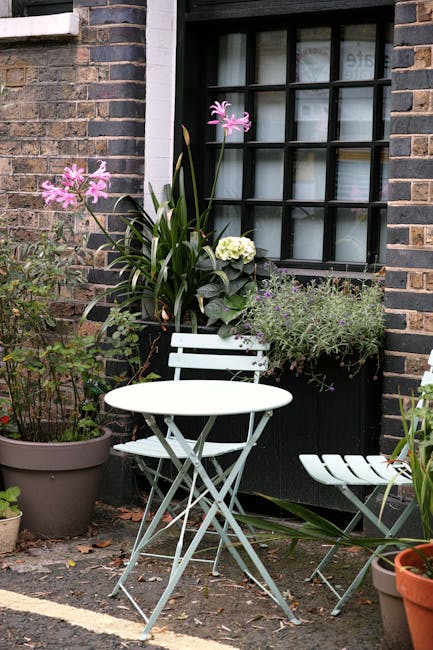
If you have ever looked at a tired city garden and thought, "Where on earth do I even start?", you are in the right place. This Euston gardeners case study garden makeover Drummond Street explores what a real urban garden transformation can involve: clearing clutter, making sense of the layout, improving day-to-day use, and turning a cramped outdoor space into something genuinely enjoyable. In central London, the challenge is rarely just planting a few flowers. It is usually about balancing privacy, access, low maintenance, light, storage, and a bit of calm in the middle of the noise. That is the real story here.
Below, you will find a practical breakdown of how a garden makeover on Drummond Street can be approached, what decisions matter most, and which mistakes can quietly derail the result. It is written for homeowners, landlords, and anyone weighing up whether a full redesign or a lighter refresh makes more sense.
Why Euston gardeners case study garden makeover Drummond Street Matters
Drummond Street sits in a part of London where outdoor space tends to work hard. Gardens are often compact, overlooked, shaded by surrounding buildings, or worn down by years of patchy maintenance. So a garden makeover here is not just about aesthetics. It is about making a small or awkward space useful again. And yes, that can be surprisingly transformative.
In our experience, the biggest difference comes from understanding the space before touching a shovel. A quick tidy-up may make a garden look better for a week. A well-planned makeover changes how it feels to use every day. You step outside and the place reads differently. Less "storage yard", more "somewhere to sit with a tea before work". That shift matters, especially in a busy Euston setting.
There is also a practical side. A neglected garden can hide drainage issues, unsafe paving, unstable fencing, overgrown hedges, and areas that become difficult to maintain. Once those problems build up, they tend to snowball. A case study approach helps because it forces a proper diagnosis: what is cosmetic, what is structural, and what needs immediate attention.
If you are comparing garden services, it helps to understand the wider range of support available. The team's services overview shows how makeovers often sit alongside clearing, trimming, mowing, and longer-term maintenance rather than acting as a one-off fix.
How Euston gardeners case study garden makeover Drummond Street Works
A good garden makeover usually follows a clear sequence. That does not mean every project is identical. Far from it. But the logic is similar whether the garden is a narrow rear yard, a shared courtyard, or a small private patch behind a townhouse.
First comes the assessment. This is where the condition of the site is checked properly: access, waste volume, shade, boundary issues, existing planting, hard landscaping, and any problem areas. It sounds simple, but this step saves money later. For example, if a hedge is swallowing light, it may be smarter to combine a design refresh with hedge trimming rather than redesigning around the shade.
Next comes clearance and preparation. Many urban gardens need a reset before design work can begin. That can include removing old pots, dead growth, broken edging, unwanted soil build-up, or debris left from previous attempts at "just sorting it out at the weekend". We have all seen that weekend project spiral a bit. A proper garden clearance makes the later stages cleaner and safer.
After that comes the functional plan. This is the clever bit. Rather than filling the space with random features, the garden is shaped around how it will actually be used. Seating? Low maintenance planting? A cleaner route from back door to fence? Maybe a small decked area. In some gardens, a simple decking solution can make the whole layout feel more ordered and usable, especially where paving is uneven or awkward.
Then the finishing work begins: soil improvement, lawn shaping or replacement, border definition, planting, edging, and long-term maintenance planning. The best results usually come from keeping things coherent. One strong idea, repeated well, beats six ideas fighting each other.
Key Benefits and Practical Advantages
The benefits of a Drummond Street garden makeover are easy to see once the work is done, but the real value often shows up in the first few weeks after completion. Suddenly, the space feels manageable rather than embarrassing. That is a powerful thing, honestly.
- Better use of limited space: Urban gardens need clear zones. Even a small layout can handle sitting, planting, and access if it is designed carefully.
- Lower day-to-day maintenance: A tidy structure reduces the time spent battling weeds, overgrowth, and awkward corners.
- Improved light and airflow: Cutting back crowded growth can make a garden brighter and less damp.
- Stronger visual order: Edges, levels, and planting blocks create a sense of calm, even in a compact space.
- Safer surfaces and access: Clearing trip hazards and stabilising worn areas makes everyday use easier.
- Better property presentation: Useful for landlords, sellers, and anyone who wants the outside to match the inside.
There is a quieter benefit too. A garden that has been sorted properly tends to encourage people to use it more. That might mean lunch outdoors on a mild morning, or simply keeping the back door open without feeling you are staring at a mess. Tiny quality-of-life improvements. They add up.
For ongoing upkeep, a follow-up garden maintenance plan can protect the makeover and stop the space slipping back into chaos. That part gets overlooked all the time, to be fair.
Who This Is For and When It Makes Sense
This kind of project is a good fit for people who want a better outdoor space but do not necessarily want a full-scale landscaping build. If the garden feels cluttered, dark, underused, or hard to maintain, a makeover can be the right middle ground.
It often makes sense for:
- homeowners who want a more welcoming garden without taking on a huge redesign
- landlords preparing a property between tenancies
- busy professionals who need a low-maintenance outdoor area
- families who want safer surfaces and clearer space for children
- people recovering a garden after months or years of neglect
- small businesses or managed properties with external areas that need tidying and structure
It is also sensible when the garden has one or two clear pain points rather than every possible issue at once. For example, maybe the hedge blocks light and the lawn is patchy, but the patio is sound. In that case, targeted improvements may deliver more value than a complete rebuild. Sometimes restraint is the most professional move. Strange but true.
If the property needs more than a refresh, then broader landscape gardening or landscaping support may be the better route. The point is to match the scale of work to the real condition of the site.
Step-by-Step Guidance
Here is the practical flow we would expect on a well-run project of this type. Not every garden follows the same exact sequence, but this is a solid working model.
- Walk the site carefully. Look at access, shade, existing plants, drainage, and structural issues. A quick glance is not enough.
- Decide what stays and what goes. Keep healthy, useful features. Remove the rest. This is where judgement matters.
- Clear out debris and unwanted growth. Old containers, dead branches, and clutter need to go before design decisions can land properly.
- Address the practical problems first. Uneven ground, broken fencing, rotten timber, or poor visibility should be tackled before the decorative work.
- Shape the layout around use. Think about where people walk, sit, store things, and enjoy the space.
- Refresh key surfaces and planting areas. Lawn repair, edging, borders, and planting structure bring the garden together.
- Finish with maintenance planning. Without a follow-up plan, a makeover can fade quickly.
A small practical example: if the rear corner is shady and damp, that corner may be better suited to hardy planting or a tidy gravel edge rather than a thirsty lawn patch that never really settles. That kind of decision sounds minor, but it saves weeks of frustration later.
And if trees are contributing to the problem by overhanging too much, then a sensible assessment may include tree lopping and removal. That needs care, of course, and should never be rushed.
Expert Tips for Better Results
The difference between an average makeover and a really satisfying one often comes down to details. Small decisions. Slightly boring, maybe, but they matter a lot.
- Keep the layout simple. In compact London gardens, too many features can make the space feel smaller.
- Choose structure before decoration. Edges, paths, and boundaries should make sense before you think about pots and colour accents.
- Use repetition. Repeating materials or planting themes creates calm and makes the garden feel considered.
- Think about maintenance honestly. If you do not want to prune every few weeks, do not choose a high-fuss planting style.
- Improve access before beauty. A garden that is awkward to move through stays awkward, no matter how pretty it looks.
One more thing: in a place like Euston, where gardens are often enclosed and close to neighbours, privacy matters. A screen, a well-placed hedge, or a better boundary treatment can completely change how the garden feels. Not glamorous perhaps, but deeply useful.
If you are planning a garden refresh on a limited budget, ask where the biggest visual return sits. Usually it is in the first five metres you see from the house. That is the money shot, as they say. Not very technical language, I know, but it works.
Common Mistakes to Avoid
Let's face it, most disappointing garden projects do not fail because people lacked enthusiasm. They fail because the plan was fuzzy or the space was treated like a blank canvas when it really was not.
- Starting with planting before fixing structure: If the base is poor, the garden will keep looking unsettled.
- Ignoring drainage and shade: These are not small details in London gardens; they affect everything.
- Overfilling the space: Too many features make compact gardens feel busy and cramped.
- Removing too much at once: You can accidentally strip away the character of the garden.
- Forgetting ongoing care: A makeover without maintenance is just a temporary photo opportunity.
- Choosing fragile materials for hard-use areas: A seating area should be able to cope with daily life, not just look nice on day one.
One subtle mistake is not thinking about waste removal and disposal early enough. Garden work creates far more material than people expect. Branches, turf, soil, broken containers, old fixings, and general debris can build up quickly. That is why planning clearance properly matters, and why many projects benefit from a proper garden clearance phase before anything decorative happens.
Another classic issue: poor sequencing. Trimming after planting, or heavy clearance after soft landscaping, can cause avoidable damage. The order of work really matters. A lot.
Tools, Resources and Recommendations
You do not need a truckload of specialist kit to understand or plan a garden makeover, but the right tools and practical resources make the process smoother. In a professional setting, you would typically expect a mix of cutting, clearing, measuring, levelling, and finishing equipment chosen to suit the site.
Useful recommendations include:
- Basic site notes and photos: Take pictures before work begins. They help you track changes and avoid forgetting problem areas.
- Measured sketches: Even a rough scale drawing helps with layout decisions.
- Waste planning: Decide early how green waste, soil, and broken material will be handled.
- Maintenance schedule: A simple monthly or seasonal plan keeps the garden looking finished.
- Trusted service pages: If you need ongoing help, services such as lawn mowing and garden maintenance can be part of the long-term answer.
For clients who care about responsible disposal and a cleaner process overall, it is worth asking about sustainability practices and how waste is managed. The company's recycling and sustainability information is useful context here, especially if you want the project handled with less waste.
If you are looking at the broader business side, it is also sensible to understand pricing and quotes before agreeing to work. Clear scope usually means fewer surprises. Which, let's be honest, is what everyone wants.
Law, Compliance, Standards, or Best Practice
For a garden makeover in London, the main point is not legal complexity; it is careful, responsible working practice. Garden teams should take safety seriously, protect property, and handle waste and tools with due care. That includes basic site awareness, sensible working methods, and respect for boundaries and neighbouring properties.
Where the work involves cutting, lifting, or tree and hedge management, the operator should follow recognised industry best practice and apply safe working procedures. If heavy overgrowth, large stems, or awkward access are involved, the safest choice is usually to slow down and assess properly rather than forcing progress.
From a homeowner's point of view, it is wise to ask about insurance, safety arrangements, and how the team protects people and property during the job. The company's insurance and safety and health and safety policy pages give a good indication of the standards expected.
You may also want to understand what happens if something goes wrong. A clear complaints procedure is not exciting, but it is a sign that the business takes service quality seriously. Same goes for practical details like payment and security, which should always be clear before work starts.
One note worth making: if accessibility matters to you or to other users of the site, it helps to think about garden routes, surface stability, and step-free movement early in the plan. Small design choices can make a big difference.
Options, Methods, or Comparison Table
Not every garden needs the same type of intervention. Some benefit from a quick reset, others from a structured makeover, and some from a more comprehensive landscaping approach. The table below gives a simple way to compare the options.
| Approach | Best for | Typical focus | Best outcome |
|---|---|---|---|
| Light refresh | Gardens that are mostly sound but untidy | Tidying, pruning, edging, minor improvements | A cleaner, more presentable outdoor space quickly |
| Garden makeover | Space with clear usability problems or dated layout | Clearance, layout changes, planting structure, surface updates | A noticeably more functional and enjoyable garden |
| Full landscaping | Gardens needing major redesign or hardscape work | Structural changes, new areas, rebuilt flow, larger works | A more complete transformation with stronger long-term value |
The right option depends on what the garden is failing to do. If it simply needs a tidy and some shape, do not overcomplicate it. If the space is hard to use, a makeover may be exactly the right middle path. And if the layout is fundamentally wrong, then a fuller redesign may be worth the extra effort.
Case Study or Real-World Example
Here is a realistic example of how a Drummond Street-style garden makeover might unfold. The property had a compact rear garden that had drifted into disuse. The layout felt cramped, the planting was overgrown, and the back corner collected clutter because no one had a clear reason to use it. Nothing dramatic, just years of slow neglect. The sort of thing that sneaks up on you.
The first phase focused on clearance and assessment. Old containers, dead growth, and loose debris were removed. A few awkward shrubs were reduced, and the overall shape of the garden became visible again. Once that happened, the space made more sense immediately. The eye could travel through it without stopping at mess every two seconds.
The second phase tackled usability. The main path through the garden was clarified, the seating area was defined more clearly, and the planting was simplified so the space felt less busy. In a small garden, simplicity is a gift. Really, it is.
A modest amount of structure was added to help the garden feel complete. That might involve edging, a neater boundary line, or a small decked zone depending on the site. In this kind of project, the purpose is not to impress with scale. It is to make the garden feel like it belongs to the property again.
By the end, the change was less about dramatic visual drama and more about calm. The space looked ordered, easier to care for, and much more inviting. That is usually the mark of a successful urban makeover: not flashy, just quietly right.
Practical Checklist
Use this checklist if you are planning your own garden makeover in Euston or on a street like Drummond Street.
- Take clear before photos of every problem area
- Decide what must be removed and what can stay
- Check access for tools, materials, and waste removal
- Identify shady, damp, or low-light zones early
- Mark any unsafe paving, weak edging, or broken features
- Choose whether the project is a refresh, makeover, or full redesign
- Plan for hedge work, trimming, mowing, or tree reduction if needed
- Think about how much upkeep you can realistically manage
- Ask about waste handling and recycling
- Confirm scope, timing, and payment terms before work begins
If the garden has become genuinely hard to manage, it may be worth starting with a professional assessment and a clear scope of works. That one decision can save a lot of guesswork.
Get a free quote today and see how much you can save.
Conclusion
The best Euston gardeners case study garden makeover Drummond Street projects are not the ones that try to do everything. They are the ones that solve the right problems in the right order. Clear first. Then structure. Then finish. That approach gives you a garden that is easier to live with and more pleasant to look at, without turning the whole thing into a stressful overhaul.
For many London properties, the real win is not a magazine-perfect finish. It is a space that finally works: lighter, calmer, safer, and easier to care for. Once that happens, the garden stops being a source of low-level annoyance and starts becoming part of the home again. That is a good feeling, no doubt about it.
And if you are still undecided, that is normal. A good garden decision is usually made after a proper look, not a rushed one. Take your time, ask sensible questions, and choose the route that fits your space and your life. That is where the real value lives.
Frequently Asked Questions
What does a garden makeover on Drummond Street usually include?
It usually starts with clearance and assessment, then moves into layout improvements, pruning or trimming, planting updates, surface tidying, and finishing touches that make the space easier to use.
Is a garden makeover different from landscaping?
Yes. A makeover is often a mid-scale transformation focused on usability and presentation, while landscaping can involve larger structural changes, new features, or a more complete redesign.
How do I know if my garden needs a full makeover or just maintenance?
If the garden is basically sound but untidy, maintenance may be enough. If it feels unusable, cluttered, or badly laid out, a makeover is usually the better option.
What should be cleared before the makeover begins?
Dead growth, broken pots, loose debris, unwanted clutter, and anything blocking access should usually be removed first. That gives the design work a clean start.
Can small urban gardens really be improved much?
Absolutely. Small gardens often improve more dramatically than larger ones because good structure, light management, and a simpler layout can change the whole feel of the space.
How long does this type of project usually take?
That depends on the size and condition of the garden. A lighter refresh may be quick, while a more involved makeover takes longer, especially if clearance, trimming, or surface work is needed.
Do I need hedge trimming as part of a makeover?
Not always, but if hedges are blocking light, swallowing borders, or making the garden feel tight, trimming can be one of the most useful parts of the job.
What if there are trees causing shade or mess?
Then tree work may need to be considered carefully. In some cases, limited pruning or tree lopping and removal may help, but it should be assessed properly before anything is done.
How can I keep the garden looking good after the makeover?
A simple maintenance plan helps a lot. Regular mowing, seasonal pruning, weeding, and occasional border care will keep the space from slipping back into neglect.
What should I ask before booking a gardener for this kind of project?
Ask what is included, how waste is handled, what the timeline looks like, whether insurance and safety procedures are in place, and how the quote is structured. Clear answers are a good sign.
Is sustainability something I should consider?
Yes, especially if there is a lot of green waste or old material to remove. Responsible disposal and sensible reuse where possible make the project cleaner and more efficient.
Where can I learn more about the company behind these services?
You can read more on the about us page and explore practical service details through the site's services overview.
What is the best next step if I want to get started?
The best step is usually to request a quote, share a few photos, and explain what feels wrong about the garden. A proper first look makes everything easier, and often cheaper too.